

Optimal Tire Rotation Frequency: A Guide for Car Owners from Beaver Chevrolet Jacksonville Fl

Introduction
Your vehicle’s four points of contact with the road are its lifeline to stability, safety, and performance. However, these critical components, your tires, don’t wear evenly. Tire rotation is the practice of moving tires from one position on the vehicle to another to ensure even tire wear, paramount for extending tire life, maintaining fuel efficiency, and keeping you safe. In fact, neglecting tire rotation can result in a variety of issues, from compromised handling to increased stopping distance. For these reasons, and more, understanding how often to rotate your tires is pivotal for any responsible car owner.
Why Tire Rotation Matters
Enhancing Tire Longevity
Routine tire rotation is akin to conducting regular check-ups with your doctor — it catches wear and tear in its early stages. For a tire’s life expectancy to achieve maximum potential, rotating tires from front to back, side to side, and, in some cases, diagonally, distributes wear evenly. This preventive measure mitigates the risk of the inevitable — every tire has a finite lifespan — and ensures that they’ll need replacing in unison, a cost-effective approach compared to replacing a single tire at a time.
Improving Fuel Efficiency
Tire air pressure and tread depth go hand-in-hand with fuel efficiency. If your tires wear unevenly, your vehicle has to fight to maintain a consistent, level line of traction. In turn, this struggle demands more energy from your vehicle and more gasoline from you. A quick trade-off in tire position can mean the difference between topping off every week and every other.
Ensuring Safety on the Road
Worn tires reduce the performance of a vehicle’s safety features in a variety of ways, such as longer stopping distances and increased risk of hydroplaning. Uneven tire wear drastically changes how a vehicle manages acceleration and braking, and can surprise even the most predictable drivers when those features are most needed.
Factors Influencing Rotation Frequency
Vehicle Type and Drive System
Different vehicles exert unique pressures on their tires. Weight distribution, power application, and even wheel placement in relation to the rest of the chassis determine their ideal wear patterns. While front-wheel-drive vehicles tend to wear the front tires down faster due to the additional load, rear-wheel and all-wheel-drive vehicles do the opposite. Each type requires specific care.
Driving Habits
A lead foot can accelerate tread wear significantly. Similarly, frequent, heavy loads or stop-and-go city driving can wear out tires much faster than a more sedate cruising. If these habits are typical of your driving style, you’ll want to rotate your tires more frequently to keep up.
Tire Wear Patterns
Examining how your tires are wearing can inform you if your rotation schedule needs to be adjusted. If the tires on the front of your car show much more wear on the inside due to cornering, you might want to increase the frequency of your rotation to compensate.
Guidelines for Different Vehicles, best customer service from Beaver
Passenger Cars
Most passenger vehicles will have their tires rotated every 5,000-7,500 miles for optimal performance. This mileage range is a general rule of thumb and should be adhered to unless specified by the manufacturer.
SUVs and Trucks
The more rugged your vehicle, the more rugged you should be with your tire maintenance. Passenger SUVs and trucks should rotate their tires more frequently, every 3,000-5,000 miles, to ensure they can continue tackling the toughest terrain safely and effectively.
Performance Vehicles
Vehicles designed for speed and agility are often equipped with soft, high-performance tires. The fine balance of rubber and speed makes it imperative to closely manage tire wear, meaning these vehicles should have their tires rotated every 3,000-5,000 miles as well.
Beaver Chevrolet’s Recommendation
Beaver Chevrolet, your local vehicle experts, recommends adhering to this general rotation schedule to keep your vehicle running smoothly. Additionally, getting your tires rotated professionally ensures that the job is done right. Alignment and balancing issues can contribute to uneven wear, and a professional service can identify and correct these issues simultaneously with the rotation.
Expert Advice on Tire Rotation Frequency
Our team of experts emphasizes a ‘no compromise’ approach to tire maintenance. Tires are often the most neglected major component of a vehicle, yet they’re the most critical for day-to-day operation. Whether it’s pedestrian safety or peak vehicle performance, tire maintenance should never be overlooked.
Importance of Professional Maintenance
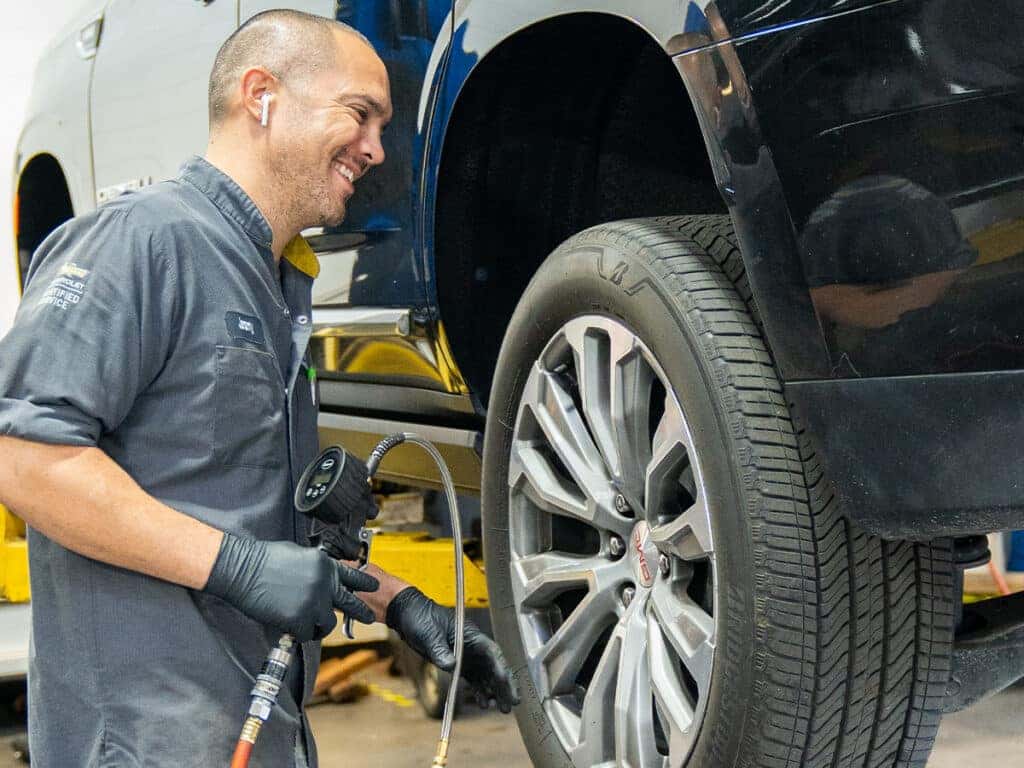
While it’s possible to rotate your tires at home, professional service has distinct advantages. Not only can a service center like Beaver Chevrolet ensure the safest, most efficient machine to move your vehicle, but they can also adjust the rotation pattern based on your tire wear and driving conditions.
Conclusion
Understanding the importance of tire rotation and the ideal frequency for your vehicle is key to ensuring that your car serves you well on the road. By following these guidelines, you can experience the full value of your tires and maintain optimal vehicle performance. Encouraging you to make maintenance a priority, keeping that machine on the road operating as it did when it rolled off the assembly line.
In conclusion, never underestimate the power of properly maintained tires. They are the wheels that keep the world turning, and by taking care of them, you’re ensuring that your ride is as smooth and safe as possible. To discover more about tire rotation and how it can benefit your vehicle, as well as to schedule professional tire service, visit Beaver Chevrolet Service.
Remember, in the grand tapestry of personal responsibility, caring for your vehicle is a thread that, when woven throughout, creates a picture of reliability and safety. The choice is yours. Will you ensure your vehicle’s tires are in tune with their performance, or will you watch as the road takes its toll on an asset so easily maintained? The answer should be clear. Take care of your tires, and they’ll take care of you.
0 comment(s) so far on Optimal Tire Rotation Frequency: A Guide for Car Owners from Beaver Chevrolet Jacksonville Fl